
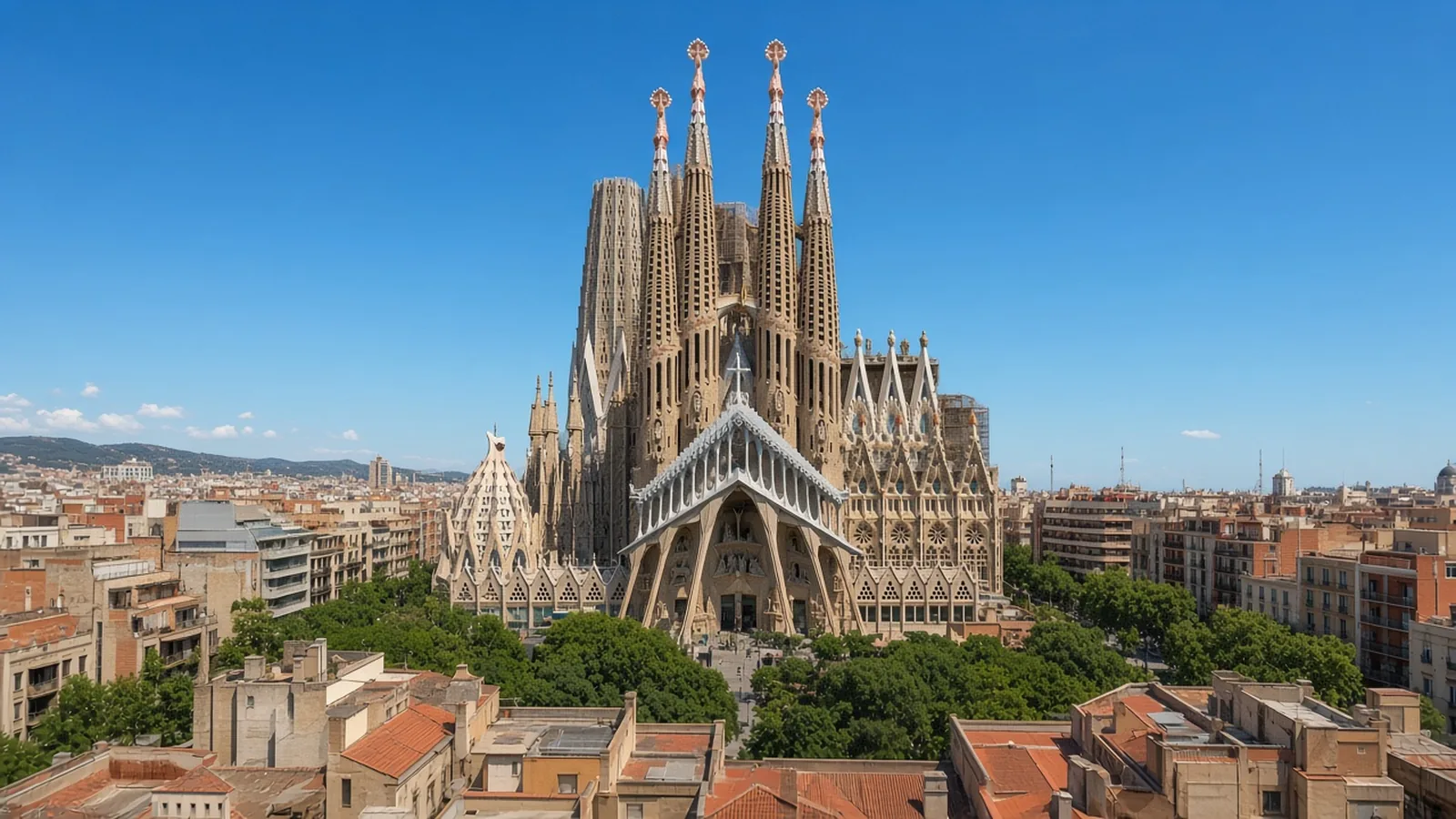
Barcelona is a city you can walk, ride a metro across, and still reach a beach in the same day. That mix is the appeal, and also the reason a sloppy choice of neighbourhood makes the trip harder than it needs to be. The Gothic Quarter, the grid of Eixample, the villages-within-the-city like Gràcia, and the seafront all feel different after dark and in the morning.
A short stay works well if you do not try to “do” every landmark in a straight line. Gaudí sites, the old town, a market, and a couple of hours by the water already fill two or three days. If you have more time, you can slow down: a neighbourhood on a hill, a longer walk on Montjuïc, or a day that is mostly food and a beach rather than tickets.
It is a very popular city, which means crowds in the most photographed streets and, at times, local debate about tourism. Visiting with a bit of care — staying in a real neighbourhood, eating away from the most obvious front row, and not treating residential streets as a backdrop — makes for a better trip as well as a more considerate one.
Best areas to stay
The Gothic Quarter (Barri Gòtic)
is the historic core: close, atmospheric, and busy. It suits first-time visitors who want to step into old streets. Some lanes are noisy, and you should be attentive with belongings in dense spots. Look at the exact street, not just the district name.
El Born
is central, full of small streets, restaurants and shops, and still very popular. It is a strong base if you want to walk to both the old town and, with a little more time, the waterfront. Evenings can be lively.
Eixample
, the nineteenth-century grid, offers more space, a lot of Modernista architecture, and good metro connections. It is less “old town” in feel and often more comfortable for a few nights, especially if you want a quieter street or a larger room. Many visitors are happy here even if they spend their days in the historic centre.
Gràcia
still has the feeling of a small town of squares and independent shops, a little uphill from the centre. It is excellent for a longer stay or for travellers who want evenings in a neighbourhood rather than on a tourist strip. You will use the metro or a walk to reach the main sights.
Barceloneta
is the obvious beach base, and also the noisiest and most uneven in quality. It works if the sand is the point of the trip and you are choosy about the exact block. Poble Sec and Sant Antoni sit near food streets and Montjuïc, and they often give you more local texture for the money, with an easy ride or walk into the centre. El Raval is mixed: there is culture and good food, and some streets where you will want a bit more awareness, especially late.
Search stays in the area
The map shows places to stay nearby. Pan and zoom, then compare prices. If you book through the link, we may earn a commission at no extra cost to you.
Affiliate link. We may earn a commission at no extra cost to you.
When to go
Spring and early autumn are often the nicest times to walk the city and sit outside. August is hot, many residents leave, and the tourist areas stay crowded. Winter is mild relative to much of Europe, with shorter hours at some attractions and fewer beach days.
Major events, including large trade fairs, can push up hotel demand even when the weather looks ordinary. If a week’s rates seem out of line, check whether a big conference is in town. Holiday weekends and the peak of summer fill the most central districts first.
If you care about swimming, the sea is more inviting in summer and early autumn than in the heart of winter, but you do not need a beach-centred plan to enjoy Barcelona. If your dates are flexible, midweek nights are often easier than a Friday-to-Sunday hop in the most popular months.
Getting from the airport
Barcelona-El Prat has more than one terminal, so follow the signs for your exact arrival. The metro (line L9 Sud) connects the airport to the city network; you may need a transfer to reach the neighbourhood where you are staying. Airport buses run to a central square and are an easy option with luggage. There is also a train service from the airport area, and official taxis.
None of these is dramatically complicated, but they are not identical in time or in how many changes you make. If you land late or have a lot of bags, a direct bus or taxi can be less fussy than a metro transfer. As always, use official ranks and marked services rather than informal offers in arrivals.
If you fly into Girona or Reus on a low-cost route, you are not “at Barcelona airport.” Those options can still make sense, but you must add the cost and time of the bus into the city before you call the fare a bargain.
Tips to save money
Staying a little off the most famous lanes — in Eixample, Sant Antoni, Poble Sec or Gràcia — is often the simplest way to keep lodging in check without lengthening every journey. A beachfront address sounds convenient and then costs you in noise and price if you only go to the sea once.
Eat away from the front line of the Rambla and the tightest Gothic streets. The city has excellent neighbourhood food, and you will usually do better one or two blocks off the main tourist flow. A refillable bottle helps; public fountains exist, and tap water is generally drinkable.
The metro is the way to move. A travel card for the days you are there almost always beats a string of taxis, especially if you go to the beach, Montjuïc or a Gaudí site away from your hotel. For major attractions, book official tickets for a time slot when that is offered, and skip bundled tours that mainly sell convenience you do not need.
On flights, compare the true door-to-door picture if a fare uses a secondary airport. And leave space in the plan: Barcelona rewards wandering, and a schedule packed with paid entries is both more expensive and less pleasant than a mix of one or two big visits and a lot of walking.
Frequently asked questions
Is the Gothic Quarter a good place to stay?
It is atmospheric and central, and it suits a first visit if you want to walk out into medieval streets. It is also crowded, and you should be more careful with bags in dense areas. If you want more space and a regular street grid, Eixample is often easier.
How do I get from the airport to the city?
There is a metro line from the airport that connects into the city network (you may need a transfer depending on where you stay), as well as airport buses to a central square, trains from one terminal area, and official taxis. Choose according to your terminal, luggage and how close your stay is to a metro stop.
Is Barceloneta the best base for the beach?
It is the most convenient if you want to walk to the sand, but it can be noisy and very touristy, and the quality of stays varies widely. Many travellers prefer to sleep in Eixample, Poble Sec or El Born and go to the beach for part of the day.
When is Barcelona most pleasant?
Spring and early autumn are often the most comfortable. August is hot, and many locals leave town, but the city remains very busy with visitors. Winter is mild compared with northern Europe. Large trade events can tighten hotel availability even in otherwise ordinary weeks.
Do I need a car?
Not for a city stay. Traffic, parking and narrow old-town streets make a car more trouble than it is worth. Use the metro and walk. A car only starts to make sense if you are leaving for the wider region for several days.
Are pickpockets a real concern?
Busy tourist areas, the beach, and crowded metro carriages are places to be more aware of bags and phones, as in other major European cities. A little attention is enough for most visits; it is not a reason to avoid the city, but it is a reason not to leave a bag open on a café chair behind you.
More guides
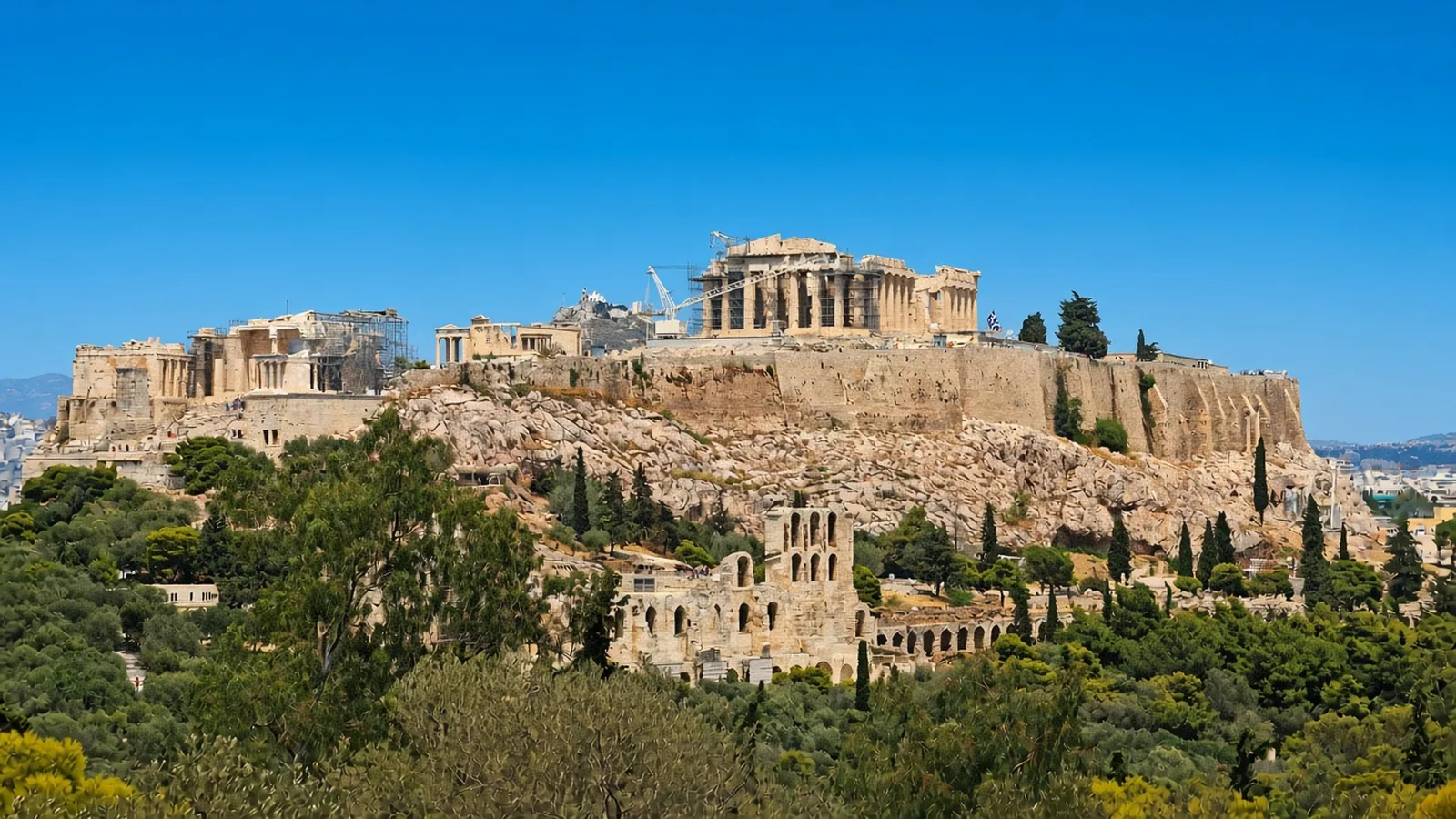
Athens
A practical Athens guide: neighbourhoods and who they suit, when to go, airport transfers on the metro, and ways to keep costs down — written for a global audience.
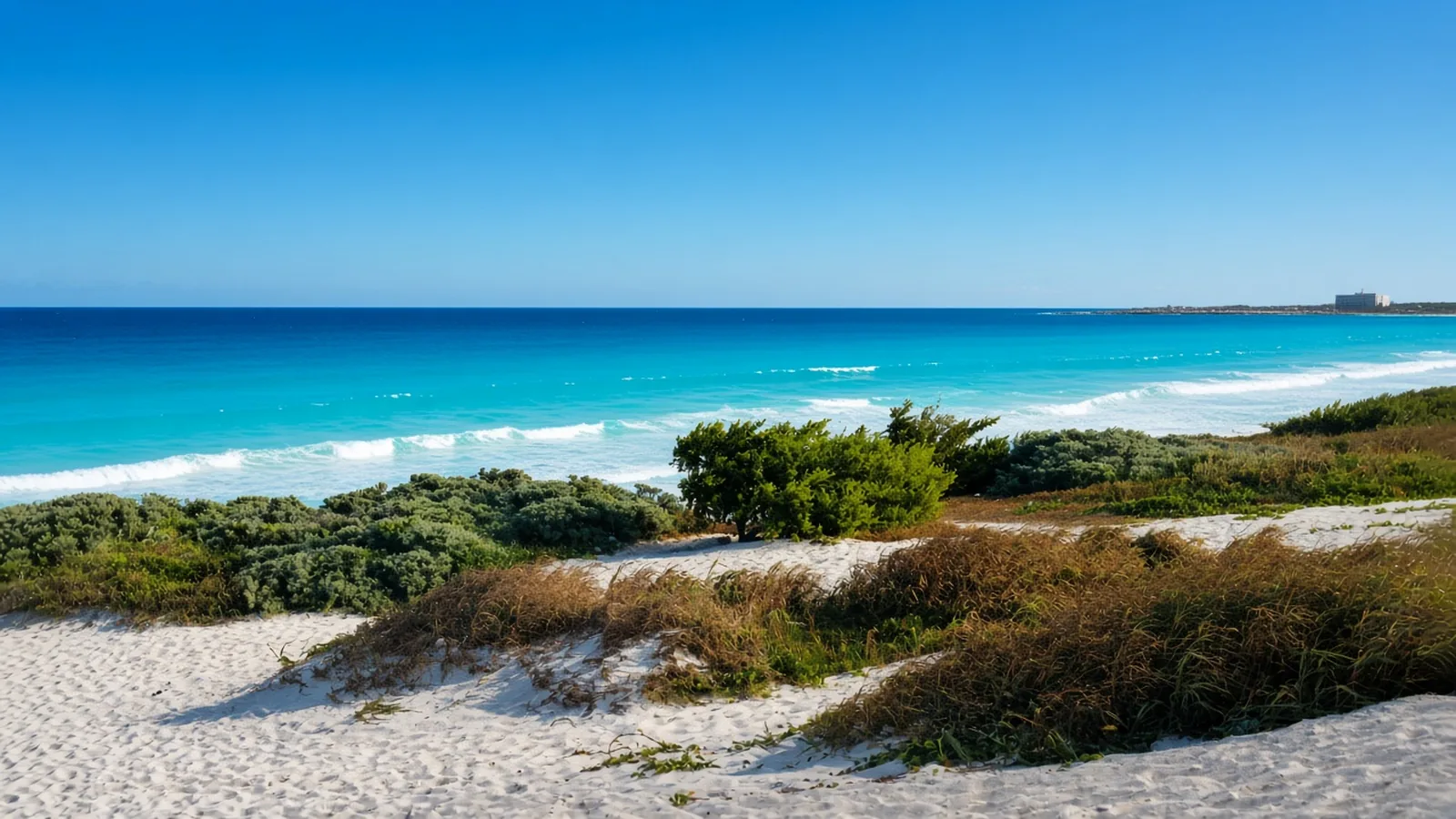
Cancún
A practical Cancún guide: Hotel Zone versus downtown, the dry and wet seasons in general terms, airport transfers, and ways to keep a beach trip under control.

Prague
A practical Prague guide: Old Town, Malá Strana and Vinohrady, the best seasons to visit, airport transfers, and sensible ways to save — for travellers from anywhere.